Level 2 EV Charger Installation in Markham
Compare a dedicated 240-volt circuit and charger for your Markham home. The vehicle and confirmed electrical capacity set charging speed.
Published
Updated
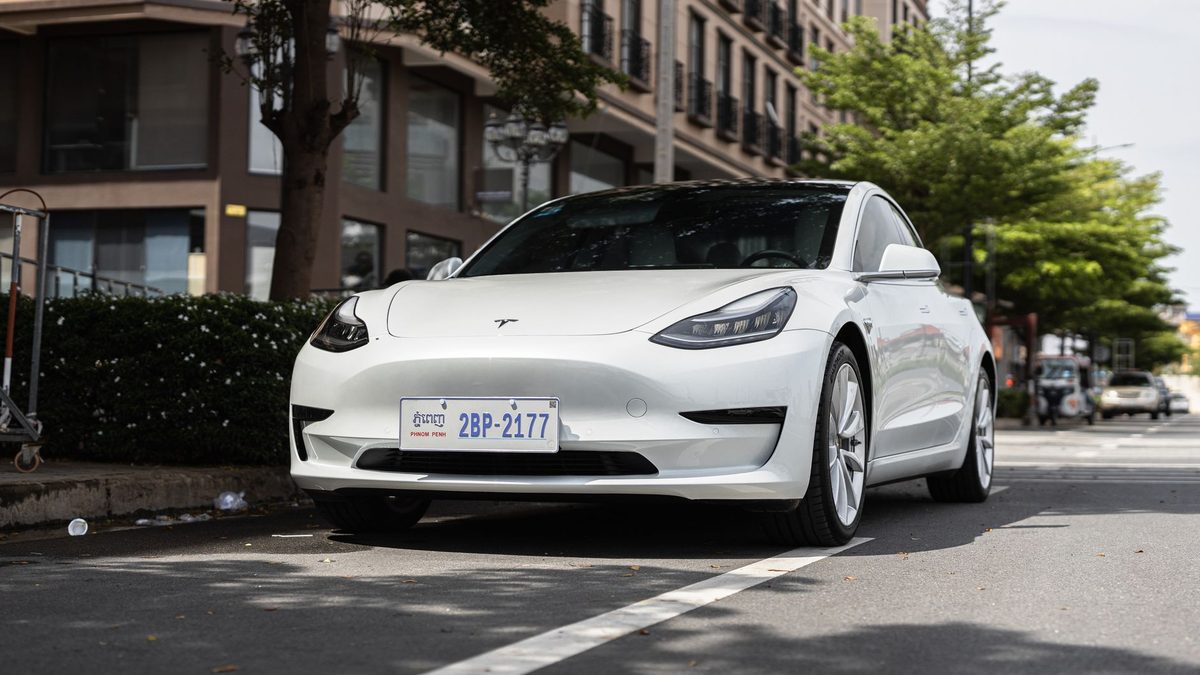
For a Markham commuter, Level 2 is the setup that makes an EV feel effortless. Confirm the agreed scope, price and any possible extra costs in writing. This guide covers the speed, the panel review, and the smart-charging side that makes Level 2 worth it.
The app is the upgrade, not just the speed
For your Markham charging schedule, scheduling can shift energy into a lower-price window on TOU or ULO. Tiered pricing depends on monthly use instead of the hour. Use the vehicle or compatible charger settings, check the selected plan and allow for the energy needed and time parked. A schedule alone does not guarantee a full battery or a saving on the whole bill.
The range maths, once you need the numbers
Here is the speed comparison everyone eventually wants. The cord that ships with the car, the Level 1 unit on a standard household outlet, claws back only about 6 to 8 km of range an hour. For a Markham resident driving to downtown Toronto, across York Region, or anywhere in the GTA, that never catches up. A Level 2 setup on a 240-volt circuit adds roughly a rate matched to the vehicle and circuit, so one overnight session covers a full day of driving with margin left over. The exact rate is capped by your car's onboard charger, which your contractor should match the circuit to.
Read panel capacity before planning the circuit
Before any Level 2 circuit goes in, a licensed contractor runs a load calculation. Plenty of Markham homes, especially in established neighbourhoods like Unionville and Milliken, sit on a 100-amp service, and the calculation checks whether the new charger circuit fits within it. Where it is tight, a panel upgrade or an approved EV energy management system and compatible charger keeps everything inside safe limits without forcing an upgrade you may not need.
Sizing the circuit to this EV and the next
A Level 2 charger can push up to 48 amps, but your car's onboard charger sets the real ceiling, usually 32 to 48 amps. Your contractor should size the breaker and unit to your vehicle so you are not paying for capacity it cannot use. If a second EV is likely, choosing a unit that supports power sharing and leaving panel space now is cheap while the walls are open and expensive once they are closed.
Garage, driveway, and a tidy run
Where you park shapes the work. An attached garage with the panel a few feet away is a fast, tidy install. A detached Markham garage or a basement panel that needs cable fished up and across takes longer. Either way your contractor should route the wiring cleanly, conduit where it is exposed, and finished neatly where it enters living space.
Hard-wired or a portable plug-in
At the same voltage and charging current, either connection can deliver the same Level 2 power to the same vehicle. Actual output is limited by the circuit, charger and vehicle. A hard-wired charger is the tidiest option and supports higher amperage on some units. A plug-in setup on a NEMA 14-50 outlet lets you unplug and take the charger with you, which suits renters or anyone who wants flexibility. Your contractor should recommend based on your charger and parking, not on one default.
Why the public-charger hunt disappears
A home charging spot can reduce trips to public stations, with the result depending on your driving and available charging power. Confirm the agreed scope, price and possible extras in writing. Supported vehicle or charger schedules can use a lower-price window on TOU or ULO. App alerts depend on the exact equipment and connection; they do not guarantee every charging fault will be reported before departure.
Installation facts and equipment guidance
ESA notification and contractor requirements explain electrical-work responsibilities. Manufacturer charging guidance explains why output varies by vehicle and power supply. Ask the confirmed contractor to apply those requirements to your Markham project.
First enquiry and later project review
Start with the short enquiry form: first name, preferred contact details and postal code. After first contact, the service provider may request the project details and photos below. The form does not take attachments.
- Your EV model and its supported charging output
- A photo of your panel with the door open
- A photo of the parking spot and the proposed charger location
- Whether you want app scheduling and energy tracking
Start with Get A Free Quote. Your enquiry goes to the service provider, which may ask for panel and parking photos after first contact and confirms the contractor, scope, price and availability.
Frequently asked
How much range does a Level 2 charger add per hour in Markham?+
Kilometres gained vary with the EV's energy use and the power it can accept. Use the actual vehicle and agreed current setting for an estimate instead of treating the charger's maximum rating as delivered range.
Can a Level 2 charger schedule itself around Alectra off-peak hours?+
A compatible charger or the vehicle's own timer may provide the schedule. Confirm your selected Alectra plan first, then test that the car and charger settings allow the intended session to start.
Will a Level 2 install work on my older Markham home's 100-amp service?+
The existing service must be assessed with its household loads. If capacity is constrained, compare suitable current limiting or an approved compatible management system; an app timer alone does not perform that assessment.
How quickly can you finish a Level 2 install in Markham?+
The electrical route and project readiness determine the appointment length. Ask the provider to confirm equipment, access requirements and any utility or property dependencies before it commits to a completion date.
Do I have to jump to a 200-amp service before adding Level 2 in Markham?+
No single service size is required for every Level 2 installation. The contractor selects a compliant current from assessed capacity, then checks whether that output suits the vehicle's energy needs and parking time.